Cookery and Cutlery: A Colorful SVG Font for Kitchen-Inspired Design
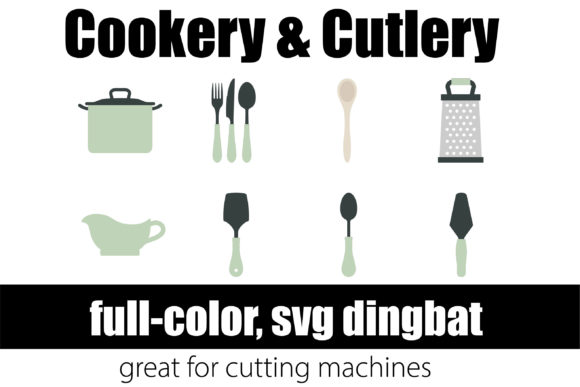
Imagine a font that doesn't just spell out words but sprinkles your designs with the charm of a sun-drenched kitchen counter, a rustic farmhouse table, or a bustling bakery window. This isn't just about letterforms; it's about a complete visual language. The Cookery and Cutlery dingbat font is precisely that—a vibrant, full-color SVG typeface that translates the warmth and energy of cooking into a powerful design asset. It moves beyond traditional typography by embedding detailed, color illustrations of pots, pans, whisks, rolling pins, and fresh ingredients directly into each character, offering a unique solution for projects that crave a personal, artisanal touch.
More Than a Font: A Visual Storytelling Toolkit
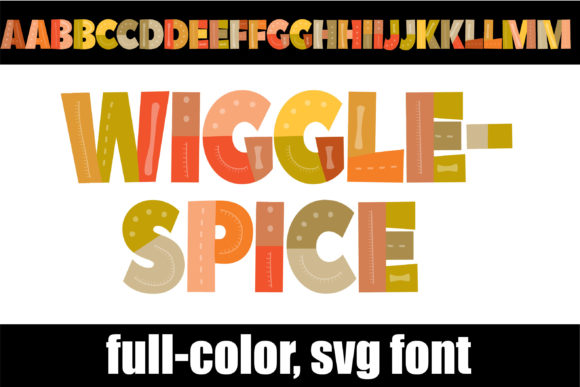
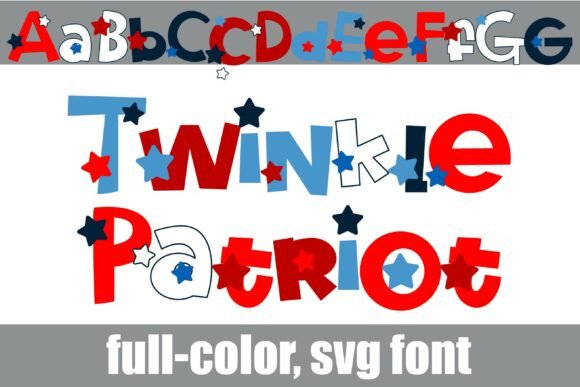
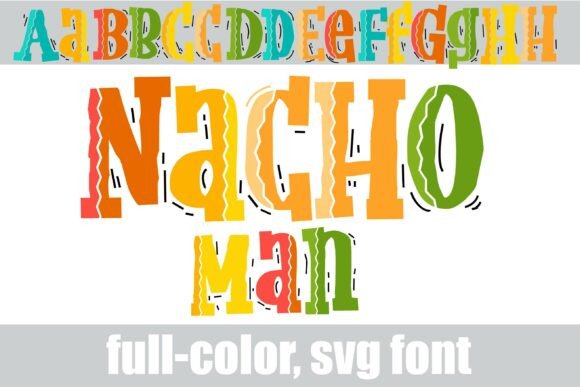
What sets this premium font apart is its OpenType full-color (SVG) technology. Unlike standard fonts that are single-color outlines, each glyph here is a tiny, self-contained illustration rendered in multiple colors. This means the whisk isn't just a black silhouette; it's a realistic, gray-and-silver utensil. The strawberry isn't a flat shape; it's a ripe, red fruit with a green leaf. This level of detail injects immediate personality and narrative into your work. For a small business owner launching a gourmet spice blend, a content creator building a food blog, or a designer crafting a menu for a new café, this typeface becomes an instant mood-setter. It communicates "handmade," "quality ingredients," and "creative passion" before a single word of body copy is read.
Practical Applications: From Brand Identity to Digital Content
The true value of a creative font like Cookery and Cutlery lies in its versatility across different media. Its playful yet professional aesthetic makes it adaptable for both commercial and personal projects. Consider these real-world uses:
- Logo Design & Branding: For a bakery, meal-kit service, or cooking class, this font can form the core of a memorable logo. The integrated imagery strengthens brand recognition, making your identity instantly recognizable and thematic.
- Packaging Design: Imagine product labels for jams, sauces, or spice mixes where the font itself showcases the key ingredients. It turns packaging into a key part of the customer experience, enhancing shelf appeal and communicating quality.
- Social Media Graphics & Web Design: Create eye-catching Instagram stories, Pinterest pins, or website headers that stop the scroll. Use it for section headings on a recipe blog or to highlight special offers on an e-commerce site, adding visual flair that standard fonts can't match.
- Print Materials & Merchandise: From restaurant menus and event posters to apron prints and tote bags, this font adds a custom, artisan feel. It's perfect for wedding invitations with a culinary theme or editorial layouts in a food magazine.
Achieving Professional Results with a Playful Typeface
While the font is inherently decorative, using it effectively requires some strategic thinking to maintain professionalism and readability. The goal is to harness its charm without overwhelming your message.
Pairing with Purpose: This display font shines when used for headlines, logos, and short bursts of text. Pair it with a clean, neutral sans-serif or serif font for body copy. For example, use Cookery and Cutlery for a recipe title, and a classic serif like Garamond for the ingredients list and instructions. This creates a clear visual hierarchy, ensuring your content is both engaging and easy to digest.
Readability in Context: Always test the font in its intended environment. Because it's a color font, it may appear as a solid black silhouette in some preview windows or older software. You'll know your program supports it—like Adobe Illustrator, Silhouette Studio, or Quark—when you type and see the full-color illustrations. For digital use, ensure the background doesn't clash with the font's colors. For print, consider the paper stock and printing method to ensure the colors reproduce accurately.
Licensing and Long-Term Value: Before incorporating any commercial font into a client project or product for sale, review the licensing terms. Understanding whether the license covers the number of users, the types of projects (digital vs. physical), and any restrictions is crucial for protecting your work and respecting the creator's rights. This due diligence is part of building a sustainable and ethical design practice.
Elevating Your Visual Communication
In a crowded marketplace, visual consistency and brand recognition are paramount. A distinctive typeface like Cookery and Cutlery becomes a cornerstone of your visual identity. It helps your audience immediately connect your content with a specific aesthetic and set of values—whether that's gourmet sophistication, homestyle comfort, or modern culinary innovation. By thoughtfully integrating this asset into your design toolkit, you're not just choosing a font; you're investing in a storytelling device that can enhance audience engagement, elevate your professional presentation, and make your culinary-themed projects truly unforgettable.