Feline Lucky: The Dingbat Font That Brings Retro Charm
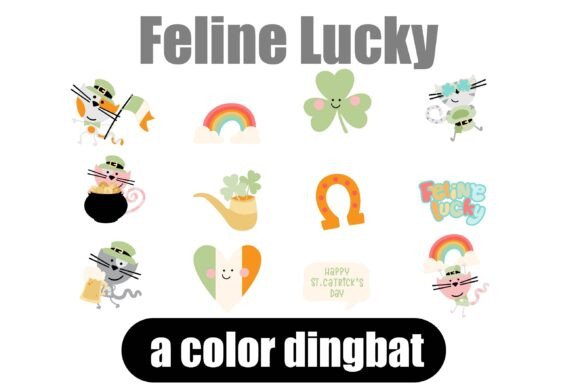
Sometimes, a project needs a spark—a playful icon, a retro flourish, a touch of whimsy that standard typography just can't provide. That’s where the Feline Lucky dingbat font steps in. This isn’t your average typeface; it’s a curated collection of 26 groovy, retro-styled lucky cat illustrations, each one designed to inject personality and visual interest into your work instantly. Think of it as a designer’s secret weapon for adding flair without the fuss of sourcing or creating custom graphics from scratch.
More Than Just Symbols: A Practical Design Toolkit
Dingbats are often misunderstood as mere decorative extras. In reality, they are powerful, ready-to-use mini graphics embedded within a font file. Feline Lucky exemplifies this utility. Each of its 26 characters—when you type a letter, you get a charming cat illustration—can be scaled, colored, and positioned just like any text element. This offers incredible efficiency. Need a consistent set of icons for a product line? A series of decorative elements for a newsletter? A set of playful motifs for social media stories? This single font file delivers a cohesive visual system, saving you hours of searching for stock images or commissioning custom artwork.
The visual appeal lies in its distinct retro-groovy aesthetic. The lucky cat, or maneki-neko, is reimagined with a vintage flair—think bold outlines, saturated colors, and playful poses. This style is particularly effective for projects targeting audiences who appreciate nostalgia, indie culture, or a handmade feel. It’s a creative font that bridges the gap between illustration and typography, offering a unique blend of charm and functionality.
Where This Creative Font Truly Shines
The applications for a dingbat font like Feline Lucky are vast and varied, touching nearly every corner of a designer's or entrepreneur's workflow. Its strength lies in its ability to add a consistent, thematic touch across different mediums.
Branding and Logo Design: While not a primary logotype, these icons can become powerful brand mascots or secondary marks. Imagine a lucky cat peeking out from the corner of a business card, stamping a wax seal on packaging, or animating in a website header. It helps build a memorable visual identity that feels approachable and fun.
Packaging and Labels: For products like artisanal foods, stationery, cosmetics, or pet supplies, these illustrations can transform packaging from plain to captivating. Use them as corner decorations, pattern backgrounds, or featured spot illustrations on labels and tags. They communicate a brand story of luck, charm, and retro-cool before the customer even reads a word.
Digital Presence: On social media, consistency is key. These dingbats can create cohesive Instagram highlight covers, recurring graphic elements in post templates, or animated stickers for Stories. They add visual rhythm to a feed, making content more engaging and recognizable. For blogs and websites, they serve as unique bullet points, dividers, or decorative accents in sidebar widgets and call-to-action sections.
Print and Merchandise: The applications extend to physical goods and print media. Think whimsical invitations for a cat-themed party, playful patterns on tote bags or t-shirts, or decorative elements in zines and editorial layouts. For small businesses selling merchandise, this font provides a quick way to develop a range of products with a unified aesthetic.
Integrating Feline Lucky Into Your Workflow
Adopting a new design asset should feel seamless, not cumbersome. The Feline Lucky font is an OpenType full-color (SVG) font. This means it installs like any standard .otf file—via FontBook on Mac or your preferred font manager on Windows. The key difference is its color capability. In compatible programs like Adobe Illustrator, Photoshop, InDesign, Quark, Silhouette Studio, or Inkscape, you’ll see the illustrations in their full, vibrant color as you type. In non-compatible software, they will render as black silhouettes, which can still be useful for creating outlines or monochrome versions.
To get the most out of this or any premium font, consider these practical steps:
- Test Compatibility First: Before committing to a project, type a few characters in your primary design software to confirm color rendering. This avoids surprises later.
- Explore Font Pairings: A dingbat font works best alongside complementary text fonts. Pair Feline Lucky with a clean sans-serif for modern contrast, a classic serif for elegance, or a playful script for a fully thematic vibe. The goal is balance—the dingbats provide visual pop, while the text font ensures readability.
- Mind the Scale and Spacing: Treat these icons like any other graphic element. Adjust their size, leading (line spacing), and kerning (space between characters) to fit harmoniously within your layout. Don’t let them crowd your text or overwhelm a design.
- Consider the Context: The retro-groovy style has a strong personality. Ensure it aligns with your project's tone and target audience. It’s perfect for brands aiming for a friendly, nostalgic, or eclectic feel, but might not suit ultra-corporate or minimalist aesthetics.
A Note on Practicality and Licensing
When investing in any commercial font, understanding the license is crucial. Most premium fonts, including creative assets like Feline Lucky, come with specific terms for commercial use. Always review the license agreement to ensure it covers your intended applications—whether for client work, physical products for sale, digital products, or unlimited personal projects. This due diligence protects you legally and ensures the font can be a long-term asset in your toolkit.
Ultimately, the value of a font like Feline Lucky lies in its ability to solve specific creative problems. It’s not about replacing every typeface in your library, but about having a specialized tool ready for when a project calls for that unique blend of charm, nostalgia, and visual storytelling. It’s a design asset that works hard, saving you time while helping you create work that stands out and connects with your audience on a more playful level. In a world saturated with generic visuals, a touch of thoughtful, retro whimsy might just be the lucky charm your next project needs.